

You spent months — maybe years — wearing braces. Your smile looks amazing. Now the real question begins: how do you keep it that way? Your braces results will last forever—if you do this in Cambridge, the answer is simpler than most patients expect. The secret lies in what happens after treatment ends. Dr. Ruby Kaur and the team at Dr. R Kaur Family Dentistry in Cambridge, ON help patients protect their orthodontic results for a lifetime.
Why Braces Results Don’t Always Stay Perfect
Many patients assume straight teeth stay straight forever once braces come off. Unfortunately, that is not how teeth work. Teeth are held in position by the surrounding bone, gums, and tissue — all of which continue to shift naturally over time.
This natural movement is called orthodontic relapse. It happens when the stabilizing structures around your teeth slowly revert toward their original positions. It can happen gradually over months or happen quickly within weeks of finishing treatment.
Several factors speed up relapse. These include not wearing your retainer, grinding your teeth at night, and losing a tooth without replacing it. Age-related bone changes also play a role. Understanding these causes gives you the power to prevent them.
The Number One Thing That Protects Your Results in Cambridge
Retainer wear is the single most important step after braces. Your orthodontist or dentist provides a retainer immediately after your braces come off. That retainer holds your teeth in their new positions while the surrounding bone hardens around them.
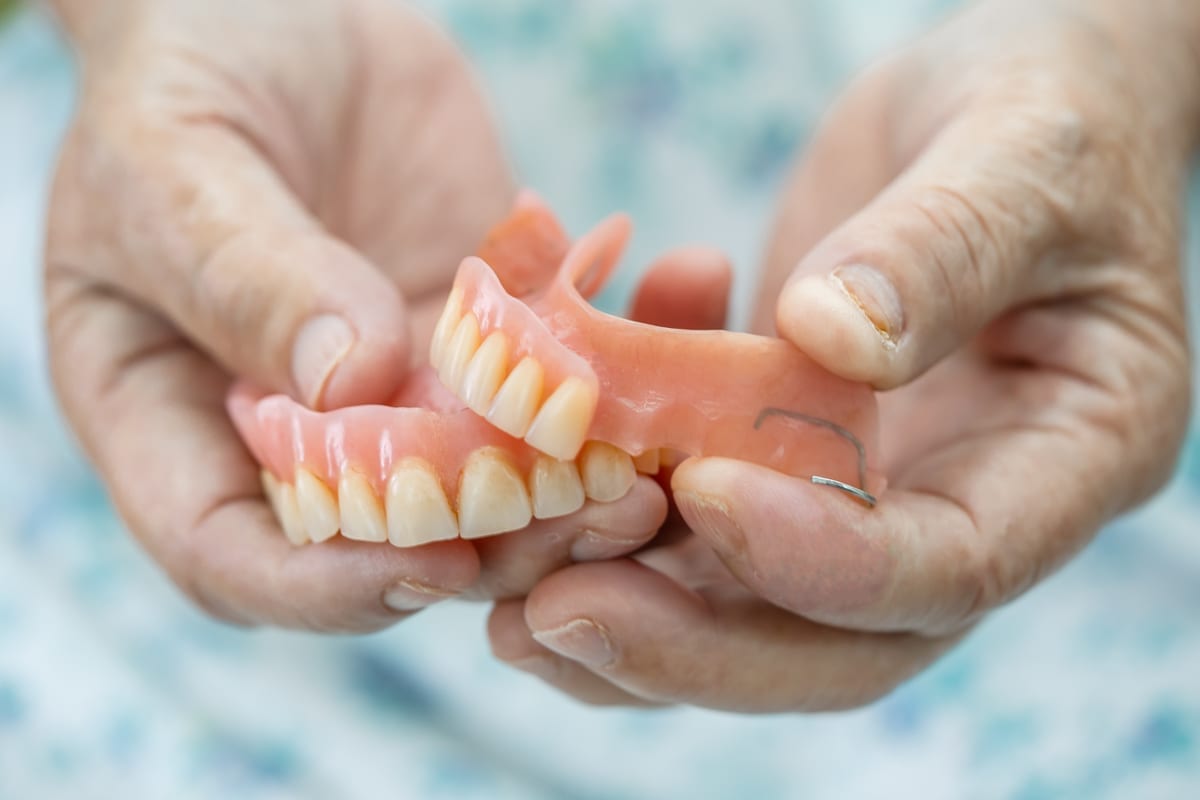
Most patients in Cambridge receive one of two retainer types. A fixed retainer is a thin wire bonded behind your front teeth. A removable retainer is a custom tray you wear at night. Both are effective when used correctly.
Here is what consistent retainer use looks like over time:
- Full-time wear for the first 3–6 months after braces
- Nightly wear for at least 1–2 years after that
- Long-term nightly wear indefinitely for best results
- Replacing retainers every 1–3 years as they wear down
- Checking fixed retainers regularly for loosening or breakage
Skipping retainer wear — even for a few weeks — can allow noticeable shifting. The longer you skip, the harder it becomes to correct without additional treatment.
Daily Habits That Extend the Life of Your Straight Smile
Your retainer is essential, but your daily habits matter just as much. Certain behaviours put pressure on your teeth and accelerate unwanted movement. Eliminating these habits helps protect everything you worked for.
Teeth grinding (bruxism) is one of the most damaging habits for orthodontic results. It places uneven force on your teeth and can cause them to shift or crack over time. A custom night guard from Dr. Ruby Kaur can protect your teeth while you sleep.
Missing teeth also cause neighbouring teeth to drift. If you ever lose a tooth, replacing it promptly with a dental implant or bridge prevents unwanted movement throughout your arch. You can explore options like Cosmetic Dentistry Cambridge to find the right restoration for your smile.
Additional daily habits that support lasting results include:
- Brushing twice daily to prevent gum disease that weakens tooth support
- Flossing daily to remove plaque from between teeth
- Avoiding biting hard objects like ice, pens, or fingernails
- Wearing a mouthguard during contact sports
- Attending routine dental cleanings every six months
The Role of Ongoing Dental Care in Cambridge
Routine dental visits do more than just clean your teeth. They allow Dr. Ruby Kaur to monitor your bite, check your retainer fit, and catch early signs of shifting before they become serious problems. Prevention is always easier than correction.
During your regular checkups, your dentist may notice worn-down teeth, early gum recession, or a retainer that no longer fits well. Each of these issues can quietly affect your orthodontic results if left unaddressed. Early intervention saves time and cost.
Restorations like Crowns Bridges Cambridge can also become necessary after orthodontic treatment. If a tooth was structurally compromised before or during treatment, a crown protects it from further damage. Keeping restorations in good condition supports overall bite stability.
Cambridge patients who commit to twice-yearly visits consistently maintain better long-term orthodontic outcomes. Consistent professional oversight is the safety net that catches problems early.
What Happens If Your Teeth Have Already Shifted
If you notice your teeth have moved since finishing braces, do not panic. Minor shifting is common and often correctable. Acting quickly gives you the best chance of a simple fix rather than a full retreat into braces.
Dr. Ruby Kaur may recommend a new retainer to gently guide teeth back into position. In some cases, a short course of Invisalign aligners can correct moderate relapse discreetly and comfortably. Invisalign is a popular option for adults in Cambridge who want a low-profile solution.
The important thing is not to wait. Shifting teeth move faster the longer they go unaddressed. Booking a consultation as soon as you notice changes gives Dr. Kaur the opportunity to intervene early.
Conclusion: A Lifelong Smile Is Within Reach in Cambridge
Braces give you an incredible foundation. What you do next determines whether that foundation holds for a lifetime or begins to erode within months. Wearing your retainer consistently, building healthy daily habits, and staying connected to your dental care team in Cambridge are the three pillars of lasting orthodontic results.
Dr. Ruby Kaur and the team at Dr. R Kaur Family Dentistry are here to support every stage of your smile journey — from treatment to long-term maintenance. Your braces results truly can last forever, and we are ready to help you protect them. Book Now to schedule your appointment with our team.
Frequently Asked Questions
How long do I need to wear a retainer after braces?
Most dentists recommend wearing a retainer full-time for the first few months after braces, then nightly for at least one to two years. Many orthodontic professionals suggest wearing a retainer nightly indefinitely to prevent any long-term shifting. Your specific timeline will depend on your individual case and Dr. Ruby Kaur’s guidance.
Can teeth shift back even if I wear my retainer?
Very minor changes can still occur over decades, but consistent retainer wear dramatically reduces the likelihood of significant relapse. If your retainer no longer fits comfortably, it is important to see your dentist right away rather than forcing it back in. A new retainer may be needed to maintain your results.
What should I do if I lost or broke my retainer?
Contact Dr. R Kaur Family Dentistry as soon as possible. Even a short gap in retainer wear can allow noticeable shifting, especially in the first two years after treatment. The sooner you get a replacement, the less likely your teeth are to move significantly.
Is Invisalign a good option for fixing relapse in Cambridge?
Yes, Invisalign is an excellent option for adults in Cambridge who have experienced minor to moderate orthodontic relapse. The clear aligners are discreet, removable, and comfortable. Dr. Ruby Kaur can assess your teeth and determine whether Invisalign or another treatment is the right fit for your situation.
How often should I visit the dentist to protect my braces results?
Visiting Dr. Ruby Kaur every six months is the standard recommendation for maintaining orthodontic results. These visits allow your dentist to check for shifting, assess your retainer fit, and address any bite or gum changes early. Consistent professional care is one of the most effective tools for a lifelong straight smile.