
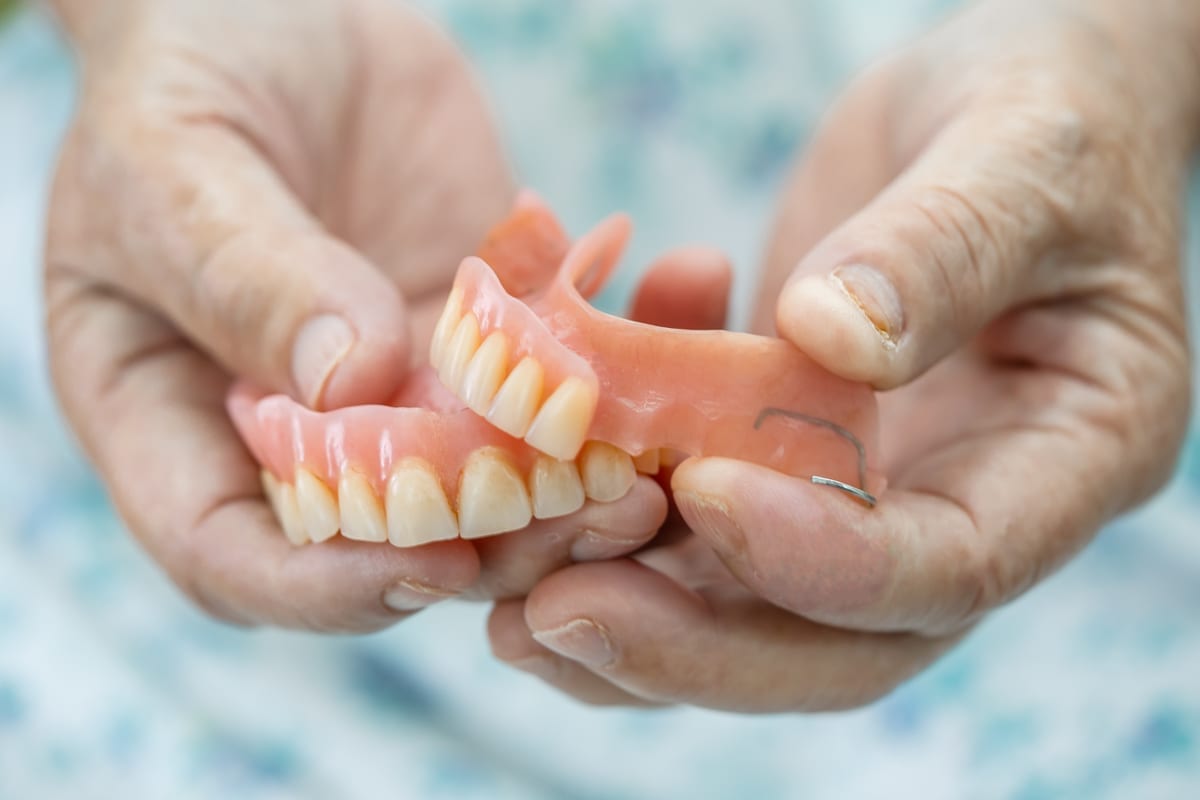
If you’ve been told you need dentures, you likely have many questions. Is your mouth ready for dentures? What happens next in Cambridge? The process involves several stages, and understanding each one helps reduce anxiety. At Dr. R Kaur Family Dentistry, we walk every patient through this journey with care and clarity.
Dentures replace missing teeth and restore your ability to eat, speak, and smile confidently. But not everyone moves into dentures the same way. Your candidacy, timeline, and experience depend on your oral health, bone structure, and specific needs.
Who Is a Good Candidate for Dentures in Cambridge?
Candidacy for dentures begins with a thorough oral health assessment. Dr. Ruby Kaur evaluates the health of your gums, remaining teeth, and jawbone. Patients with significant tooth loss or severely damaged teeth are often strong candidates. Those with gum disease must address that first before moving forward.
You may be a candidate for dentures if you have:
- Multiple missing or failing teeth that cannot be saved
- Chronic pain or infection from damaged teeth
- Difficulty chewing or speaking due to tooth loss
- Significant bone loss that makes implants more complex
- A desire to restore a complete, functional smile
Age is not the only factor. Younger adults can need dentures too. What matters most is the state of your existing teeth and gum tissue. A full exam at our Cambridge office gives you a clear picture of your options.
What Happens During Extractions and Why Timing Matters
If you still have teeth that need removal, extractions happen before dentures are fitted. Dr. Kaur performs extractions gently, prioritizing your comfort throughout. Local anesthesia numbs the area so you feel minimal discomfort. Most patients are surprised by how manageable the process is.
Timing matters enormously in denture planning. Extracting teeth and fitting dentures too quickly can lead to poor fit later. Your gums and bone change shape significantly as they heal. Rushing this stage often means adjustments or even remakes down the road.
There are two general approaches your dentist may recommend:
- Immediate dentures — placed the same day as extractions, so you are never without teeth
- Conventional dentures — crafted after gums fully heal, typically eight to twelve weeks after extractions
Immediate dentures are convenient but require more frequent adjustments. Conventional dentures fit more precisely because they are made after healing. Dr. Kaur discusses both options and helps you choose what suits your lifestyle and timeline best.
The Healing Timeline: What to Expect Week by Week
Healing after extractions follows a fairly predictable path. The first few days bring the most swelling and tenderness. Soft foods, cold compresses, and rest help manage early discomfort. Most patients feel significantly better within five to seven days.
Here is a general healing timeline to expect:
- Days 1–3: Swelling peaks, rest is essential, stick to liquids and soft foods
- Days 4–7: Swelling reduces, tenderness eases, soft foods resume comfortably
- Weeks 2–4: Gum tissue closes and begins reshaping
- Weeks 6–12: Bone resorption stabilizes, gums settle into final contours
- Months 3–6: Final denture fit is assessed and refined if needed
Gum tissue changes the most in the first three months. This is why even well-fitting dentures may need relines over time. Bone naturally shifts after teeth are removed. Regular follow-up appointments at our Cambridge office help us monitor these changes closely.
Patients with immediate dentures visit more frequently during this period. Adjustments keep the fit comfortable as healing progresses. Dr. Kaur builds these appointments into your treatment plan from the start.
What the Denture Fitting Process Looks Like at Our Cambridge Practice
Once your mouth is ready, the fitting process begins. Dr. Kaur takes precise impressions of your gums and any remaining teeth. These impressions guide the dental lab in crafting your custom dentures. The goal is a natural look and a secure, comfortable fit.
You will attend a try-in appointment before final fabrication. This lets you preview the shape, size, and shade of your new teeth. Adjustments happen at this stage before anything is made permanent. Your feedback directly shapes the final result.
When your dentures are ready, Dr. Kaur seats them and checks your bite carefully. Small refinements are common and completely normal. You receive detailed care instructions before leaving the office. Our team remains available for any questions during your adjustment period.
For patients interested in enhancing their smile beyond function, Cosmetic Dentistry Cambridge options can complement denture treatment beautifully. Some patients also benefit from Crowns Bridges Cambridge solutions if they are keeping some natural teeth alongside a partial denture.
Adjusting to Life with Dentures
Getting used to dentures takes time and patience. Speaking and eating feel different at first. Most patients adapt within four to six weeks of consistent wear. Practicing reading aloud and starting with soft foods speeds up the adjustment process.
Proper denture care extends their lifespan significantly. Rinse dentures after every meal and brush them daily with a soft denture brush. Soak them overnight to maintain their shape. Never use regular toothpaste, as it scratches the surface and harbors bacteria.
Soreness in the first weeks is normal and expected. Contact Dr. Kaur’s office if sore spots develop or worsen. Dentures should never cause pain with daily wear. Adjustments are quick, simple, and always included in your ongoing care.
Conclusion: Your Denture Journey Starts with One Conversation
Understanding whether your mouth is ready for dentures — and what happens next in Cambridge — makes the entire process far less daunting. Every patient’s path is different, but every path starts with a thorough assessment. Dr. Ruby Kaur and our team at Dr. R Kaur Family Dentistry guide you through candidacy, extractions, healing, and fitting with genuine care. You never have to figure this out alone. Book Now to schedule your appointment with our team.
Frequently Asked Questions
How do I know if I am a candidate for dentures?
Candidacy depends on the health of your gums, remaining teeth, and jawbone. A comprehensive exam with Dr. Ruby Kaur in Cambridge will determine whether dentures, partials, or another option like implants suits you best. Patients with significant tooth loss or persistent infection are often strong candidates.
How long does the full denture process take from start to finish?
The timeline varies based on whether extractions are needed and which type of denture you choose. With extractions, the process typically spans three to six months to allow proper healing. Immediate dentures shorten the visible gap but require more adjustment appointments along the way.
Will dentures affect how I speak or eat?
Yes, initially. Most patients notice changes in speech and chewing comfort during the first few weeks. With practice and patience, the vast majority adapt fully within four to six weeks. Dr. Kaur provides practical tips to speed up your adjustment at each visit.
How often do dentures need to be replaced or relined?
Dentures typically last seven to ten years with proper care. Relines are often needed within the first year as your gums continue to change shape after extractions. Annual checkups at our Cambridge practice help us monitor fit and recommend relines or replacements before problems arise.
Can I sleep with my dentures in?
Most dentists recommend removing dentures at night to give your gum tissue time to rest. Soaking dentures overnight also helps maintain their shape and hygiene. Dr. Kaur will provide personalized care instructions based on your specific denture type and oral health needs.