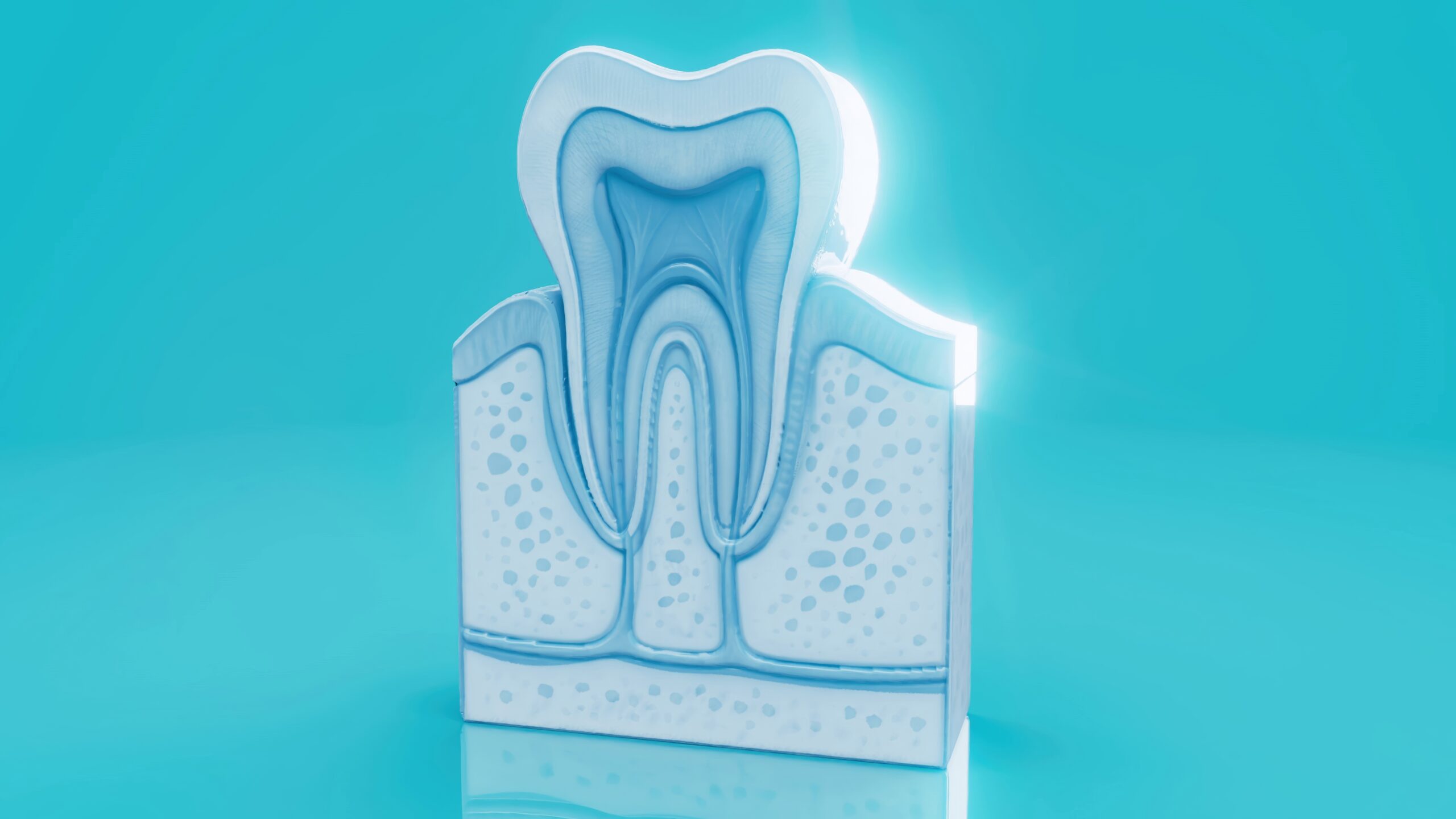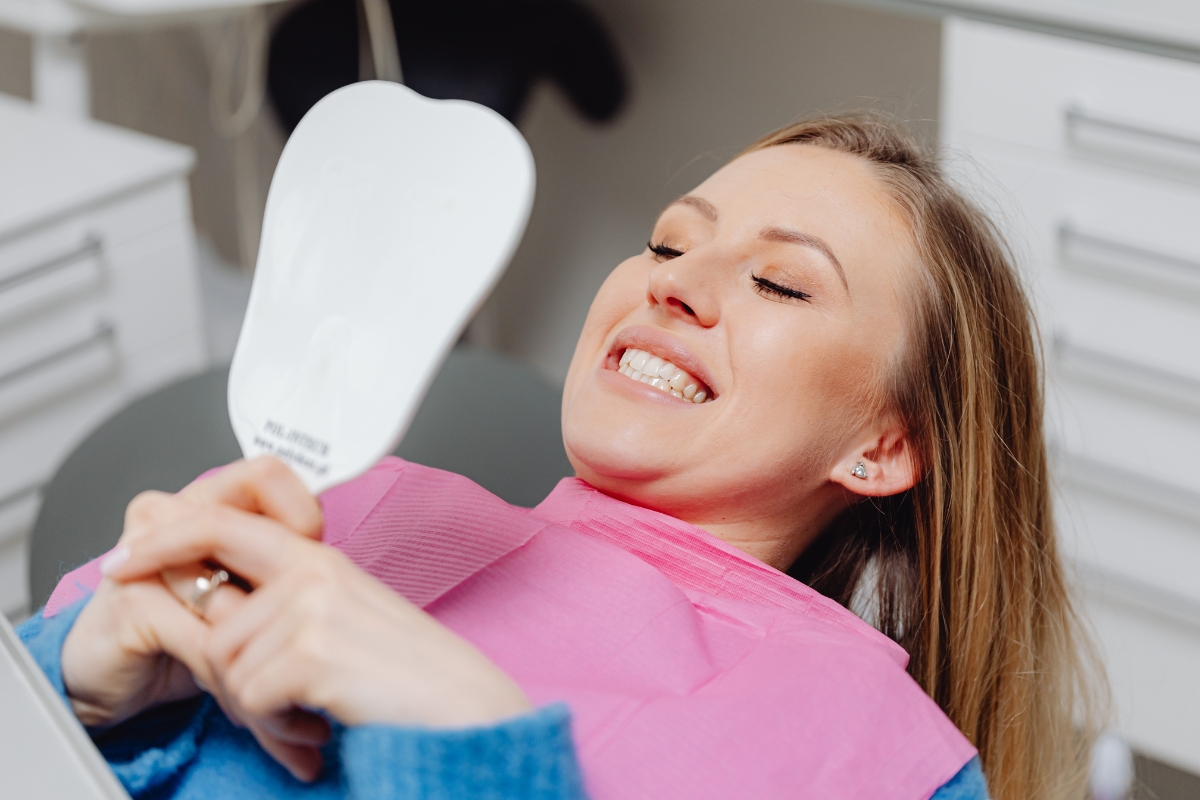

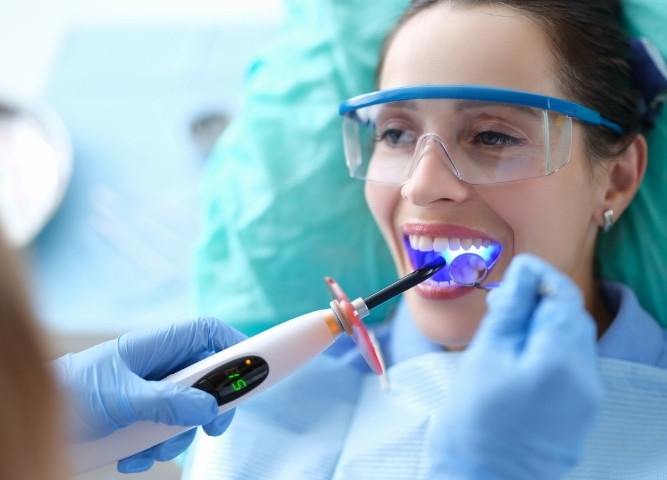
Dental bonding, also called tooth bonding, is a common treatment that involves a dentist applying a tooth-colored resin material to one or more of your teeth. Once done, the dentist hardens it with a special light to improve or repair one’s teeth.
This procedure uses resin, a long-lasting plastic material that is budget-friendly compared to treatments involving veneers and crowns.
In addition, dental bonding is also a quick treatment that hardly interferes with your regular activities. This procedure lasts between 30 to 60 minutes.
Reason Behind Getting Teeth Bonded
Below are some of the major reasons for dental bonding stated.
- Fill cavities or spaces between teeth
- Repair damaged (cracked, chipped, or decayed) teeth
- Change the shape or appearance of your teeth
- Improve your smile by whitening your teeth
- Alternative to amalgam findings
- Protect your exposed tooth roots when your gums recede.
Things to Avoid After Getting Dental Bonding
Here are some major things that a professional cosmetic dentist in Cambridge will recommend you to avoid once you get dental bonding.
- You must avoid staining foods and beverages, as they can discolor teeth. Tea, coffee, red wine, and tobacco items are some of them. If you consume these items, rinse your mouth with them afterward. It will help mitigate the chances of staining.
- Consider avoiding chewing on hard objects. You must resist the temptation to chew on hard candies, pen caps, or ice. These habits can exert excessive pressure on your dental bonding. As a result, it may cause damage.
- You must limit acidic foods and beverages, as they can weaken the bonding material as time goes on. Consider restricting your intake of citrus fruits, products containing sugar, and carbonated beverages.
- Do not skip dental appointments. You must opt for regular checkups at your dentist’s office. This is essential, as skipping appointments can cause unnoticed problems that may compromise your dental bonding.
- You must avoid nail biting. Nail biting is a common habit that has the ability to harm dental bonding. Make an effort to break this habit to preserve your beautiful smile.
- In addition, you have to avoid using your teeth as tools. Do not use your teeth for activities like cracking nuts or opening packages. This is because these actions can damage both your dental bonding and your natural teeth.
- Do not delay repairs. Noticing any changes, cracks, or chips in your dental bonding, you should contact your dentist. Swift repairs are capable of thwarting damage and upholding the soundness of your smile.
- Avoid over-the-counter whitening products. Though it is essential to maintain the whiteness of your teeth, you should not use over-the-counter whitening products without consulting your dentist. This is because some of these products can be abrasive and potentially damage your dental bonding.
Taking care of your dental bonding needs a combination of true oral hygiene practices and responsible dietary choices. You must adhere to the honest recommendations stated above. With these, you can enjoy the benefits of dental bonding.
Contact us if you want dental bonding. Our professionals can guide you to the best for sure.