

If you are looking to improve your smile, veneers are one of the most popular options. Cosmetic dentists use veneers to give people a beautiful smile; these are thin pieces that are bonded to the teeth to fix chips, cracks, and gaps. Two of the most common types of dental veneers are porcelain and composite, each with its own advantages. Understanding the differences between porcelain and composite veneers is essential when deciding which option is best for your smile makeover.
Whether you want a natural-looking smile or long-lasting durability, both porcelain and composite veneers can deliver beautiful results. We’ll compare the two materials, porcelain and composite resin, and look at the pros and cons of each in this blog. Continue reading to determine which option is best suited to you.
What Are Veneers?
Veneers are thin, custom-made shells applied to the front of your teeth. They were created to enhance the appearance of your teeth by changing the color, shape, size, or length. These esthetic shells can be made from two materials: porcelain and composite. Which of these two types of material is used depends on a person’s preferences and budget, as well as precisely what they want for their smile.
Porcelain Veneers
Porcelain veneers in Cambridge, ON, work well for people seeking a natural appearance and durability to replace dental imperfections. Because they are manufactured from a rigid, ceramic-like material, porcelain veneers are very resistant to discoloration, which is why they maintain their bright, white color over many years. They also resemble the natural translucency of your smile’s tooth enamel. The significant advantage of porcelain veneers is their durability; they last between 10 and 15 years.
Composite Veneers
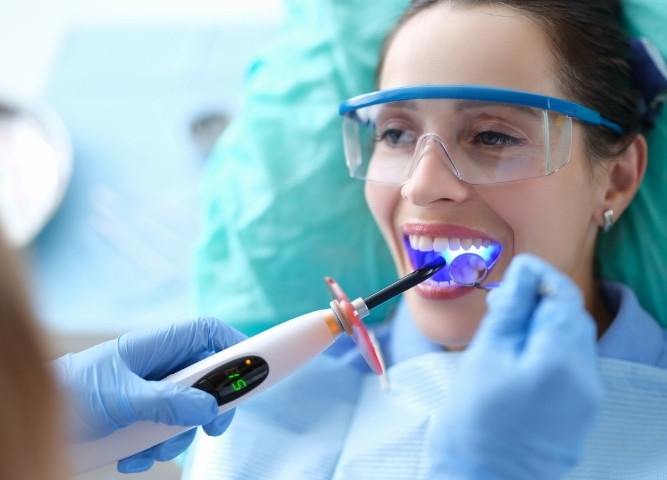
By contrast, composite veneers are manufactured from a resin material that is directly sculpted onto the teeth. Composite veneers are generally a much faster option than porcelain veneers; they are usually completed in a single dental visit.
The procedure involves the dentist applying the resin to the teeth and molding it to achieve the desired appearance. Composite veneers will yield a decent aesthetic outcome but lack the durability and stain resistance of porcelain veneers. Composite veneers tend to be more high-maintenance and may need to be replaced sooner than porcelain veneers.
How Long Do Veneers Last?
When choosing between porcelain and composite veneers, one of the main factors to consider is how long each type tends to last. As mentioned earlier, porcelain veneers are strong and can last up to 15 years. That makes them an excellent choice for people who want a long-term solution to smile imperfections.
Composite veneers, on the other hand, may last 5 to 7 years before needing to be replaced or repaired. Even though they may require more frequent maintenance, composite veneers are good options for those on a shorter timeline.
Porcelain vs Composite: Which Option is Best for You?
Your preference between porcelain and composite veneers will depend on your prioritization and needs. Generally, when you want a long-lasting, natural veneer, your choice should be porcelain veneers.
Porcelain veneers are more resistant to stains and very durable; thus, they are an excellent investment for those individuals who want to wear a beautiful smile for several decades. However, if you are strapped for cash or need a quicker fix, composite veneers can still provide a gorgeous smile, though they may require more maintenance over time.
Your Path to a Beautiful Smile
While porcelain and composite veneers offer many significant benefits, your choice will depend on your lifestyle, budget, and aesthetic preferences. Whether you choose porcelain or composite veneers, they can dramatically improve the appearance of your smile and boost your confidence. If you are considering veneers, you must consult a cosmetic dentist who can assess your specific needs and recommend the option that best suits your dental health.
Now that you understand the difference between porcelain veneers and composite veneers, it’s time to take that first step toward your dream smile. Dr. R Kaur Family Dentistry can help you through this process smoothly, ensuring you make the right choice for your smile. A skilled cosmetic dentist can give you a radiant yet natural-looking smile that boosts your confidence. Contact us today to book your consultation and learn how we can help you achieve the smile of your dreams.
FAQs
- What are veneers made of?
Veneers are typically crafted from either porcelain or composite resin. Porcelain veneers are known for their durability and resistance to stains, making them an ideal choice for a long-lasting, natural-looking smile. Composite resin veneers, on the other hand, offer a more affordable option and can be applied in a single dental visit, although they may require more maintenance over time. - Are veneers permanent?
Veneers are not permanent but are designed to be long-lasting. Porcelain veneers, when correctly cared for, can last 10 to 15 years. Composite veneers, while durable, tend to need replacement after 5 to 7 years due to natural wear and tear. - Do porcelain veneers stain over time?
Porcelain veneers are highly resistant to staining. With proper care, they maintain their bright, white appearance for many years. This makes porcelain an excellent option for individuals seeking a low-maintenance solution to keep their smile fresh and vibrant. - Can I get veneers if I have sensitive teeth?
Yes, veneers can be applied even if you have sensitive teeth. However, it’s essential to consult with your cosmetic dentist to assess your individual needs. Your dentist will ensure that your sensitive teeth are adequately addressed before proceeding with the veneer procedure, providing a comfortable experience. - How do I care for my veneers?
Maintaining veneers involves simple oral hygiene practices, such as brushing twice a day and flossing regularly. It’s also essential to avoid biting hard objects, which could damage the veneers. Regular dental checkups are necessary to ensure the health of both your natural teeth and the veneers. - How do I know which type of veneer is right for me?
Choosing the right veneer type depends on your specific dental needs and aesthetic goals. A consultation with a cosmetic dentist will allow you to discuss factors like durability, appearance, and budget, helping you select the best option for your smile makeover.