

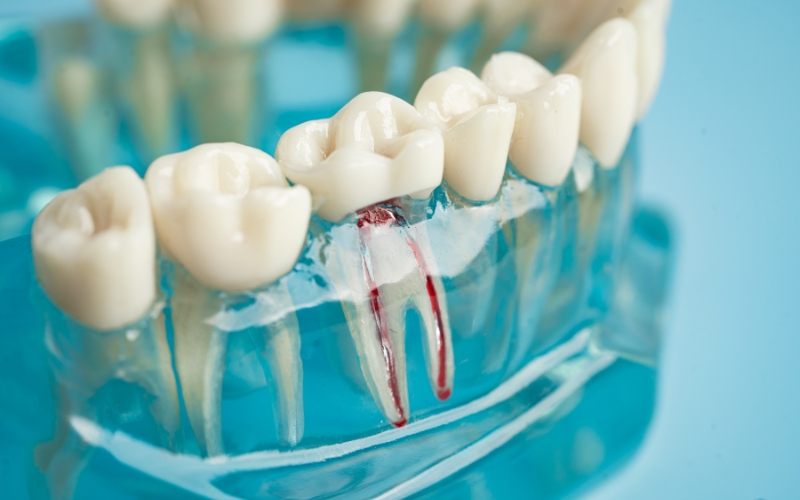
A root canal is a dental procedure used to treat infections in the pulp of a tooth. The pulp, found inside the tooth, can become infected due to decay, cracks, or trauma. Root canal therapy involves removing the infected pulp, cleaning the root canal, and sealing it to prevent further infection.
This procedure is crucial when the infection has spread too deep into the tooth to be treated with a simple filling. Without treatment, the infection can lead to severe pain and tooth loss. Early identification of symptoms can save your tooth and relieve discomfort. If you notice any of the signs discussed below, it’s important to consult a dentist as soon as possible.
Why Root Canals Are Needed?
A root canal is typically necessary when a tooth’s pulp, the innermost part containing nerves and blood vessels, becomes infected. This can happen for several reasons, including deep cavities, cracks, or trauma to the tooth. A cavity left untreated can spread deeper into the tooth, reaching the pulp and causing infection. Similarly, cracks or chips allow bacteria to enter the tooth and infect the pulp. Repeated dental procedures on the same tooth may also weaken the pulp, leading to the need for a root canal.
Infected pulp causes severe pain, swelling, and potential abscess formation. If untreated, the infection can spread to the surrounding tissues and even lead to tooth loss. Root canal therapy can save the tooth by eliminating the infection, alleviating pain, and preventing further complications.
It is essential to treat the infection early to avoid more severe issues like bone loss or damage to nearby teeth. Consider consulting a dentist who specializes in root canal therapy in Cambridge to ensure timely and effective treatment.
Key Symptoms That May Indicate a Root Canal is Necessary
- Pain: One of the most common signs that you may need a root canal is persistent or severe tooth pain. The pain is often most noticeable when chewing or touching the affected tooth. If the pain worsens over time, it may indicate that the infection is deep inside the tooth.
In some cases, pain can be spontaneous and may occur even without any physical stimulation of the tooth.
- Sensitivity: Prolonged sensitivity to hot or cold temperatures can also be a sign that you need a root canal. While normal sensitivity is common, sensitivity that lingers after you remove the stimulus is a concern.
The pain from hot or cold sensations might be intense, and it may take time for the discomfort to subside.
- Swelling and Tenderness: If you notice swelling around the affected tooth or tenderness in the gums, it could indicate an infection. Gum swelling can sometimes be accompanied by a pimple-like bump that may discharge pus, indicating an abscess.
Swelling may also extend to the face or neck in severe cases.
- Discoloration: Another sign that may indicate you need a root canal is when a tooth turns darker or grayish. This discoloration occurs due to the decay or damage in the pulp. The blood supply to the tooth can become compromised, leading to changes in color.
A darkened tooth is often a signal of infection or dying tissue inside the tooth.
- Pimple-like Bumps on Gums: Abscesses or pimple-like bumps near the affected tooth are often signs of an infected root. These bumps may drain pus, which is a result of the body trying to expel the infection.
If the abscess is left untreated, it can lead to more severe complications such as tooth loss or bone damage.
- Lingering Discomfort After Dental Work: Sometimes, a tooth may feel uncomfortable or sensitive after receiving a filling or crown. If the discomfort lingers or worsens after such dental work, it could be a sign that the tooth is infected and may require root canal therapy.
It is important to follow up with your dentist if you experience prolonged discomfort after dental procedures.
Risks of Delaying a Root Canal
Delaying a root canal can lead to several complications. An untreated infection can spread to the surrounding tissues, resulting in an abscess, a collection of pus that can cause severe pain and swelling. If left unchecked, the infection can spread to the jawbone, leading to tooth loss. Additionally, untreated infections can weaken the tooth, making it more likely to fracture.
Ignoring the symptoms of a potential root canal can also affect your overall oral health. The longer the infection is allowed to spread, the more difficult and costly the treatment becomes. In some cases, the tooth may not be salvageable if the infection is too advanced. Seeking prompt treatment can prevent these risks and help preserve your natural tooth.
Recognizing the early symptoms of a root canal is key to preventing severe dental issues. If you experience persistent pain, sensitivity, swelling, discoloration, or discomfort, it’s essential to seek treatment as soon as possible.
A dentist can assess your condition and determine if root canal therapy is the right solution. Early intervention can help save your tooth and avoid the need for more invasive treatments. Maintaining regular dental check-ups and good oral hygiene can also help prevent the need for root canal therapy.
If you’re in Cambridge and suspect you may need a root canal, contact our specialists in root canal therapy to get the care you need before the issue worsens.