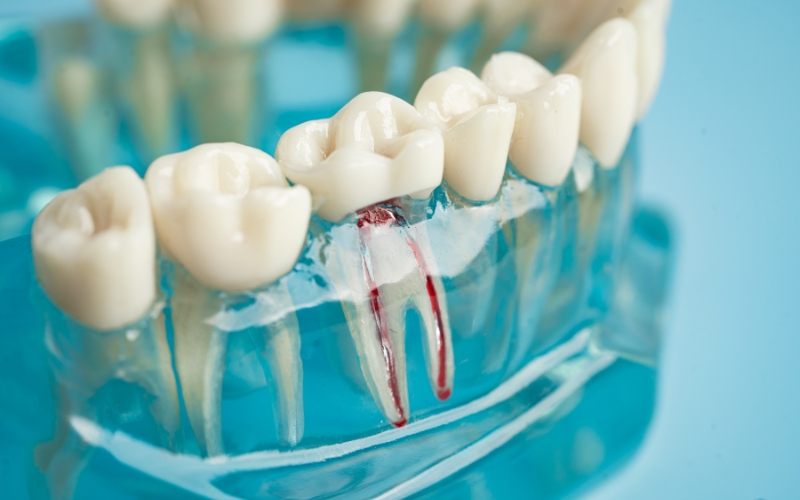


Good dental health is synonymous with a confident smile and overall health. Most individuals become puzzled when deciding between tooth extraction and saving. Extraction of a broken tooth might be simpler. However, it can lead to complications. Saving a natural tooth through root canal therapy is more advantageous in the long run.
The procedure restores function. Moreover, it preserves jawbone structure. In addition, it avoids expensive future treatments. Preservation of a natural tooth is always considered better when possible.
Modern dentistry facilitates saving teeth in a safer, easier, and more efficient manner. Appreciating the value of keeping a natural tooth enables one to make sound dental choices.
The Advantages of Saving Your Natural Tooth
a. Natural Functionality Preservation
A natural tooth is stronger and more efficient when it comes to mastication of food. Prosthetic substitutes cannot compare to the functioning of natural teeth. When you save a natural tooth, it enables an individual to eat normally without any limitations.
Adjustments are needed with dental implants and dentures, while a treated tooth usually functions. Proper bite adjustment is provided through the natural roots of the teeth. It relieves jaw strain.
Preserving an actual tooth significantly helps prevent future oral issues. Extracting a tooth leaves spaces. It has the ability to compromise chewing functions and speech. Having a natural tooth guarantees an ache-free, functional smile for many years.
b. Aesthetic and Structural Benefits
The natural tooth can facilitate proper alignment. It can prevent adjacent teeth from moving. The loss of a tooth impacts the overall dental arrangement. It can result in gaps. The misalignment of teeth leads to chewing and speech difficulties. There is a loss of jawbone over time due to the loss of a tooth.
A natural tooth helps keep the bones strong and the face intact. Lost teeth cause a sunken face. It can lead to premature aging. Preserving a natural tooth also helps maintain a healthy and youthful appearance.
Root canal therapy aids in maintaining the natural shape of the tooth. Natural teeth merge well with existing teeth. It will guarantee a perfect smile.
c. Cost-Effectiveness in the Long Term
Preservation of a natural tooth helps avoid costly procedures. Tooth extraction involves further treatments such as implants or bridges. Dental implants entail surgery and more money in the long run.
A naturally treated tooth can last forever if you care for it properly. Root canal therapy provides a long-term solution at a reduced cost. Artificial teeth require regular replacement. it adds costs.
Dental preservation saves money on future treatments. Keeping a natural tooth avoids the inconvenience of frequent dental procedures. Spending on tooth preservation yields financial and health advantages.
d. Pain Relief and Infection Control
A root canal removes excruciating pain due to deep decay or infection. Infections of the tooth can spread to the rest of the mouth and body. Preserving a natural tooth avoids complications such as the formation of an abscess. The root canal eliminates bacteria and infected tissue.
Avoiding tooth loss lessens the risk of gum disease and jawbone loss. If you leave infections untreated, it can cause serious health issues.
Elimination of pain enables an individual to eat, speak, and lead a normal life. Natural tooth preservation enhances oral and general health. Prompt treatment with root canal therapy in Cambridge provides a pain-free, healthy smile.
Root Canal Therapy and Its Advantages
Root canal therapy is a treatment that eliminates infection from an injured natural tooth. Deep cavities, cracks, or trauma usually result in infection. A dentist removes the infected pulp, cleans the interior, and seals the tooth.
Modern root canal therapy is painless and very successful. This treatment restores a natural tooth and removes pain. Preserving a natural tooth negates the removal and replacements.
A treated tooth behaves like a healthy tooth. It can prevent future issues. Root canal therapy makes the tooth structure strong. It can enable usual biting and chewing. Preserving a natural tooth through treatment promotes long-term oral health.
When to Opt for a Root Canal Instead of Extraction?
Severe sensitivity or pain in a tooth is an indication of a need for a root canal. Lasting pain during eating indicates deep infection. Swollen gums, discolored enamel, or constant bad breath are all signs of tooth decay.
A damaged natural tooth must be treated, not extracted. Root canal therapy helps maintain the structure and function of a natural tooth. Extraction comes only when damage is irreversible.
Severely damaged teeth or extreme bone loss could need to be removed. Speaking with a dentist helps make the most informed choice. Saving a natural tooth is the best option whenever it can be done.
Prioritizing oral health averts pain and infection-related problems. Regular dental check-ups facilitate the early detection of dental issues. Consulting professional advice provides the optimal treatment solution. Pain or sensitivity necessitates an immediate dental assessment. Dental consultation aids in saving a natural tooth for life. If you need a dental consultation, contact us. a dental consultation, contact us.