What Are Snap-In Implant Dentures?
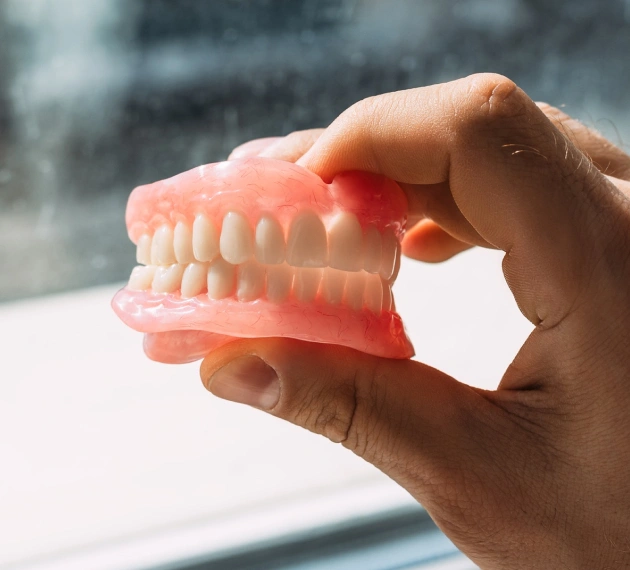
Snap-In Implant Dentures are dentures with specialized fittings that allow them to securely attach (or "snap-in") to the dental implants placed by your doctor.
Anchoring your dentures with dental implants offers the following benefits:
- Enjoy More Foods: Secure attachment to dental implants allows you to chew with greater strength and confidence, enabling you to enjoy your favorite foods.
- Non-removable: Unlike traditional dentures, Snap-In Implant Dentures are fixed in place and do not come in and out of your mouth.
- Confidence in Your Smile: No more worrying about dentures slipping or falling out while smiling, laughing, or talking.

- Improved Comfort: With less movement, rubbing, and chafing, you can live more comfortably throughout the day.
- Better Nutrition: With a stable fit, you can chew your food more effectively, helping you get the nutrients you need.
- Minimal Bone Requirement: Ideal for patients who’ve been told they don’t have enough bone for traditional implants.
- Prevents Bone Loss: Dental implants stimulate the jawbone, helping to prevent further bone loss that typically occurs after tooth loss.
- Reduces Gagging: Removing part of the palate in some cases can reduce or eliminate the gagging sensation caused by dentures.
- Increased Comfort: Implants help prevent irritation caused by denture movement, offering a more comfortable experience.
- Better Taste: By removing part of the upper denture’s palate, you can enjoy a better sense of taste while eating.
Snap-In Implant Dentures vs. Traditional Dentures
While traditional dentures may be an affordable solution for replacing missing teeth, they come with several functional and comfort-related drawbacks.
Shortfalls of Traditional (Non-Implant) Dentures:
- Limited Chewing Power: Traditional dentures provide very little chewing force, usually just 10-20% of natural teeth, because they shift and move in the mouth. The constant pressure from the tongue and cheeks can make the lower denture unstable.
- Speech Difficulties: The movement of dentures, especially the lower set, can make speaking clearly more difficult.
- Embarrassment: Fear of dentures slipping or falling out during conversations, laughter, or meals can cause discomfort and hinder social interactions.
- Discomfort: Movement of traditional dentures, particularly lower ones, can cause rubbing and chafing of the gums, leading to irritation and discomfort.
- Poor Nutrition: The lack of chewing power makes it difficult to properly chew food, affecting the ability to eat a balanced diet and impacting digestion.
- Bone Loss: Over time, the jawbone begins to deteriorate after teeth are removed, causing dentures to fit less well and become more difficult to wear as the bone continues to shrink.
- Gagging: Traditional upper dentures cover the roof of the mouth for stability, but this can trigger gagging in some people. Trimming the denture to alleviate this issue reduces stability and suction.
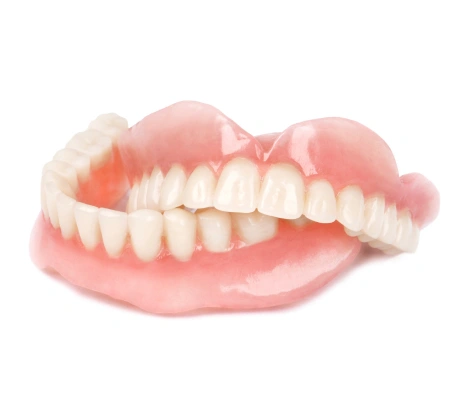
Snap-In Implant Dentures significantly address all of these problems by providing improved stability, comfort, and functionality.
Am I a Candidate?
Most patients are candidates for Snap-In Implant Dentures! To confirm, we just need to schedule a quick consultation. During this appointment, we’ll take a 3D scan of your jawbones, perform an oral examination, and review your medical history in detail with you.
How Many Implants Will I Need?
Upper Implant Denture: An upper implant denture requires a minimum of 4 implants for stability and retention.
Lower Implant Denture: A lower implant denture typically requires at least 2 implants, though 3 or 4 implants usually provide enhanced retention and stability for a more secure fit.
Snap-In Implant Dentures Procedure Timeline
The entire process usually takes about 6 months from start to finish.
1
Procedure
After any remaining teeth are removed and any necessary oral surgery procedures are completed, the implants are placed into the jawbone. These implants are typically not visible and will remain in your jaw for at least 4 months to allow your bone to integrate with them (osseointegration).
2
Post Op
We will schedule a quick post-operative appointment, typically for the day after your procedure. During this visit, we will evaluate your mouth, ensure that any dentures are fitting as comfortably as possible, and address any questions you may have.
3
Soft Liners / Soft Re-Fittings
Soft liners are cushioning materials placed in your dentures periodically as you heal. They fill in the spaces between your gums and dentures that develop during the healing process, providing extra cushioning for your gums. Soft liners improve the fit and comfort of your dentures, making them feel better during the healing phase.
4
Uncovery
This is a minor surgical procedure where we expose the implants and place small healing abutments on top of them. These abutments help shape your gum tissue and prepare you for the final placement of your snap-in dentures.
5
Attachment of Implants to Dentures
We will replace your healing abutments with denture abutments and complete the necessary steps to attach your dentures to your implants. This process is usually done in one day, though it may take a little longer in some cases.