
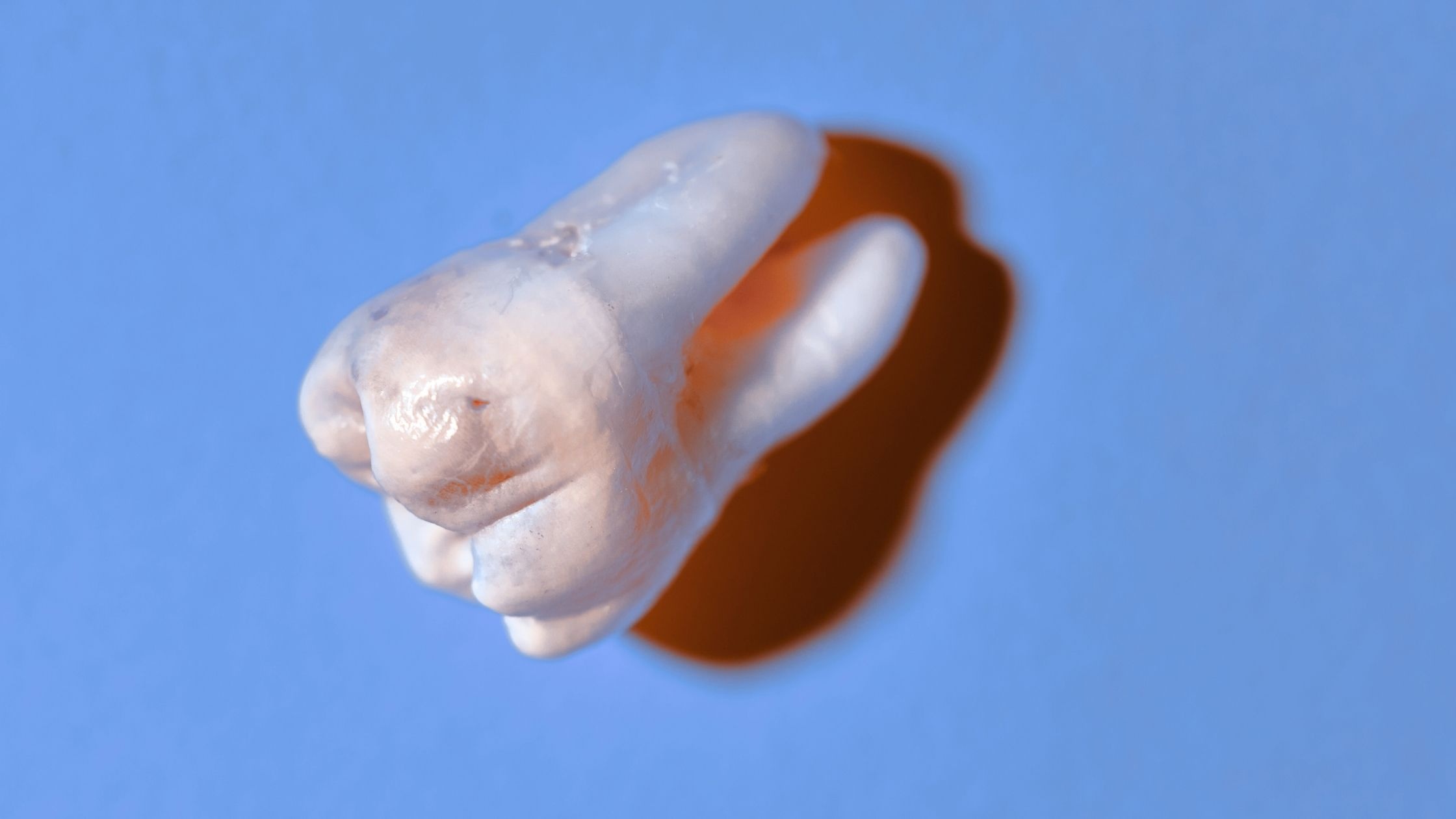
Wisdom teeth are the third molars found at the very back of the mouth. Most people develop four of them, although some individuals have fewer or none at all. They tend to crop up between the ages of 17 and 25.
In some cases, wisdom teeth grow normally and function just like other molars. However, modern diets and smaller jaw sizes often mean there is not enough room for these teeth to erupt properly. When that happens, complications can occur.
Wisdom teeth are typically monitored by dentists with regular exams and X-rays. The American Dental Association (ADA) recommends that early evaluation can catch problems before they cause an infection, gum disease, or damage to neighboring teeth.
Signs Wisdom Teeth May Need Removal
Not all wisdom teeth need to be removed. But some signs can signal the need for tooth extraction.
Common signs include:
- Pain or pressure in the back of your jaw
- Swelling behind the gums behind molars
- Difficulty opening the mouth fully
- Food routinely gets trapped behind the last tooth
- Dysgeusia or persistent foul-smelling breath
Early on, symptoms can be intermittent. Some people only feel discomfort when chewing or brushing at the back of their mouth.
When these complications arise, dentists may suggest wisdom teeth extractions in Cambridge, ON, to avoid more serious problems, such as infection or damage to adjacent teeth.
Neglecting these symptoms can lead to more serious problems, such as impacted wisdom teeth, gum infections called pericoronitis, or cavities in hard-to-clean areas.
Why Wisdom Teeth Often Cause Problems
There are several reasons wisdom teeth can be an issue. The most common problem is a lack of jaw space.
As mentioned above, wisdom teeth can:
- Grow sideways or at an angle
- Become trapped under the gums
- Partly breaks through the gum tissue
- Push against nearby molars
Impacted wisdom teeth are hard to keep clean. Food particles and bacteria can accumulate in and around the area, increasing the risk of gum inflammation around the wisdom teeth.
Research shows that if left untreated, impacted wisdom teeth can increase the risk of cysts or infections.
What Is an Impacted Wisdom Tooth?
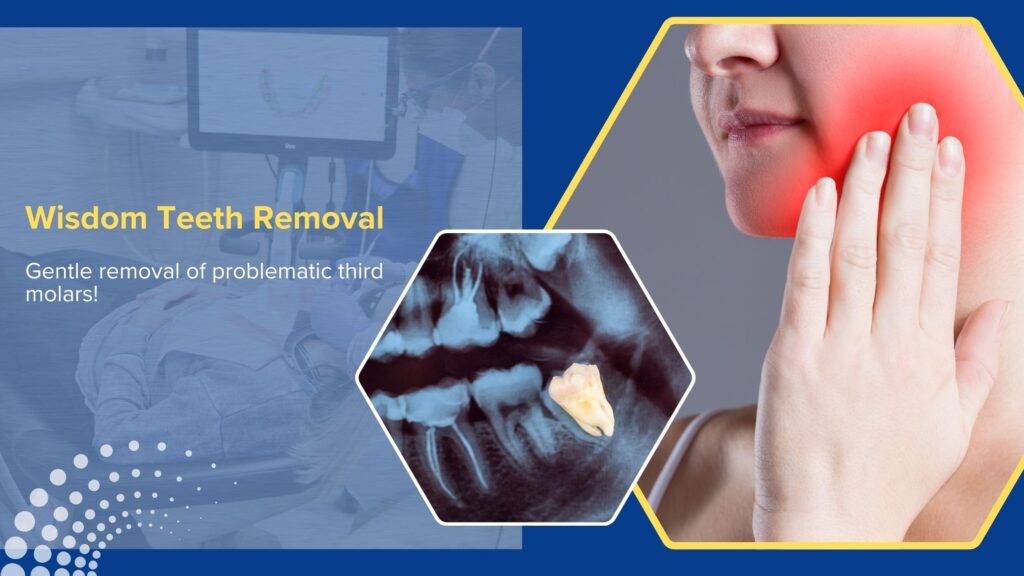
An impacted tooth is one that cannot fully emerge through the gums because it is blocked by bone, gum tissue, or another tooth.
There are several types of impactions:
- Vertical impaction: The tooth is in position but trapped below the gum line.
- Horizontal impaction: The tooth grows horizontally toward surrounding teeth.
- Partial eruption: Part of the tooth appears above the gum while the rest remains trapped.
- Full impaction: The tooth remains entirely beneath the gum and jawbone.
Impacted teeth are often removed because they can cause pain, infection, or pressure on the surrounding teeth.
When Dentists Recommend Monitoring Instead of Removal
Not every wisdom tooth needs to be removed. Dentists sometimes recommend observation if:
- The teeth are fully erupted
- They line up correctly with other teeth
- Signs of infection or gum problems are absent
- The teeth can be cleaned easily
Regular exams and X-rays monitor these teeth over time. Preventive interactions, such as routine dental examinations, professional teeth cleaning, and adequate brushing around the back molars, help reduce the risk of issues.
What to Expect When You Get Your Wisdom Teeth Removed
Wisdom teeth extractions in Cambridge, ON is a common oral surgery procedure. The treatment plan depends on whether the tooth is erupted or impacted.
Typical steps include:
- A dental examination and imaging
- Local anesthesia or sedation options
- Gentle removal of the tooth
- Placement of stitches if needed
The procedure itself typically lasts less than an hour. Recovery time varies, but most people get back to normal in a few days.
Proper healing requires following post-procedure instructions. Dentists typically recommend avoiding hard foods, practicing good oral hygiene, and following up if necessary.

Why Early Evaluation Is Helpful
Most dentists will suggest checking for wisdom teeth in the late teens. Early detection can prevent problems from becoming painful.
Benefits of early evaluation include:
- Detecting impaction early
- Preventing crowding of nearby teeth
- Reducing the risk of gum infection
- Planning treatment before complications develop
Preventive measures, such as regular examinations, are key to future dental health.
It Begins With Awareness — Often Early Awareness
Wisdom teeth aren’t always a problem, but when they are, early intervention can make treatment far easier. Being mindful of symptoms such as jaw pain, swelling, and recurring gum irritation helps patients identify when it might be time for a dental visit.
When wisdom teeth start to interfere with comfort, oral hygiene, or the surrounding teeth, a professional evaluation can determine whether extraction is advisable.
Conclusion: Knowing When Wisdom Teeth are a Concern
Some individuals don’t require wisdom teeth extractions in Cambridge, ON, but it’s vital to pay attention to the warning signs. Some reasons dentists advise extraction include pain, swelling, infections, and impacted teeth. Routine dental appointments detect these problems early on and help prevent more complex issues that could impact your oral health later.
Whether your discomfort stems from the back of your mouth or you want to understand your options, an up-close, personal dental consult can shed some light on your options.
Schedule a Consultation
If you are experiencing any pain or discomfort or have questions about your wisdom teeth, our dental team at Dr. R Kaur Family Dentistry can assess your oral health and walk you through it.
Contact us to schedule a consultation and get more information about your options, and keep your teeth healthy for years.
Common Questions People Ask
At what age do wisdom teeth usually appear
Wisdom teeth typically develop between the ages of 17 and 25. However, the timing can vary from person to person. Dentists often monitor them during routine exams to ensure they grow properly and do not cause crowding or infection.
Do all wisdom teeth need to be removed
No. Many wisdom teeth grow normally and function like other molars. Dentists usually recommend removal only if the teeth cause pain, infection, or crowding, or if they become impacted beneath the gums.
What happens if impacted wisdom teeth are not treated
Impacted wisdom teeth can lead to infections, gum inflammation, cyst formation, or damage to neighboring teeth. Monitoring and early evaluation help prevent these complications and protect long-term oral health.
Is wisdom tooth removal painful
The procedure itself is performed using anesthesia or sedation, so patients generally feel minimal discomfort during treatment. Mild soreness or swelling may occur afterward, but it usually improves within a few days.